Iquitos and the Amazon: Humidity, Piranhas, and a Macaw That Supervised My Shower (Part 6/6)
Trading Andean stone for jungle lodges, altitude for heat, and llamas for things that bite.
Part 6 of the Peru series · Updated for Travel with Sheridan
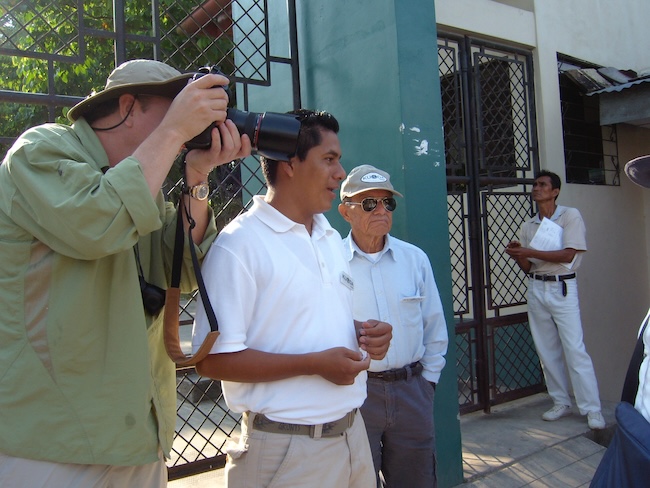
 After days at altitude in the mountains, landing in Iquitos is a full sensory reset. The humidity hits you the moment you step off the plane, which at Iquitos is a fairly open-air affair that looks nothing like the airports most of us are used to. The heat is immediate and total. You stop thinking about layers and start thinking about shade.
Iquitos is the largest city in the world that cannot be reached by road. You get there by plane or by boat, and that geographic isolation gives it a character unlike anywhere else in Peru. It sits on the Amazon River in the northern jungle, and it is the jumping-off point for some of the most extraordinary wildlife and wilderness on the planet.
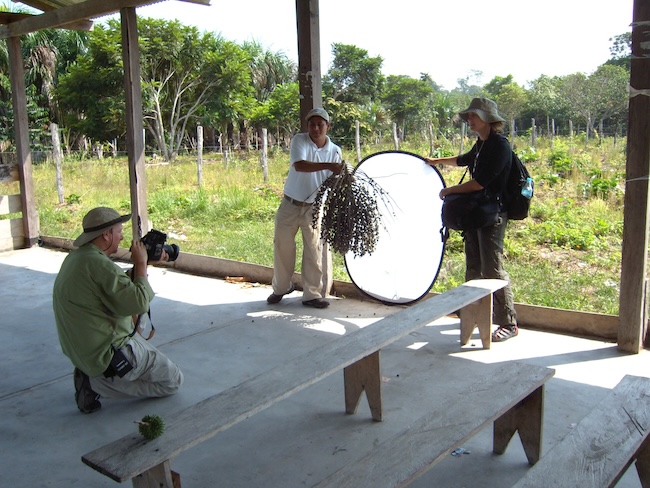
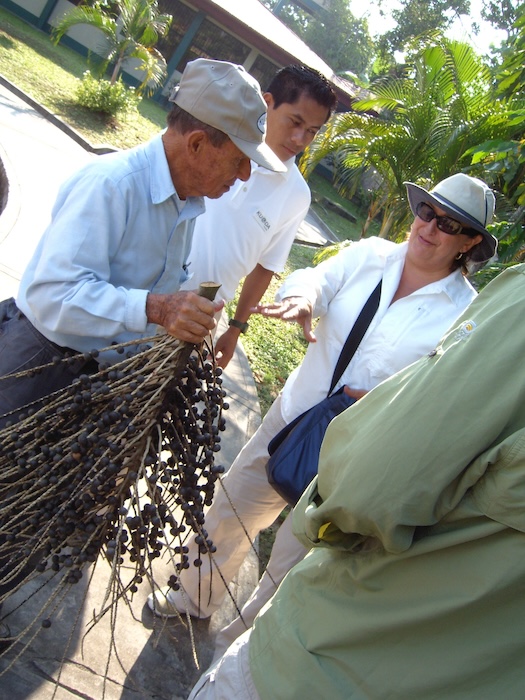
Upon our arrival, we were greeted by our guides with an unusual welcome gift - a branch of the acai tree. This little berry was the reason for our Peruvian adventure and they made sure we knew our treasure was in our sites.
Into the Jungle
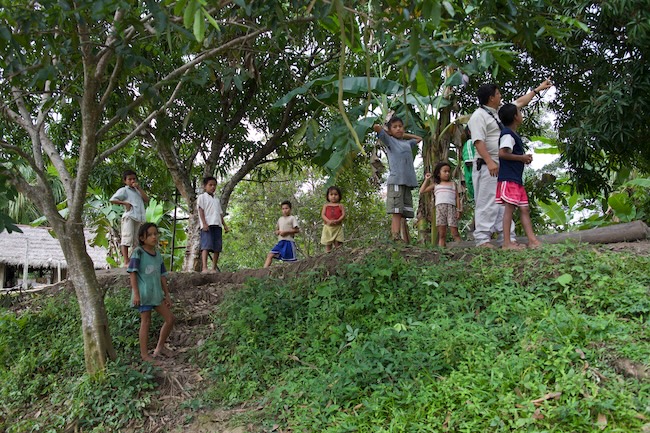
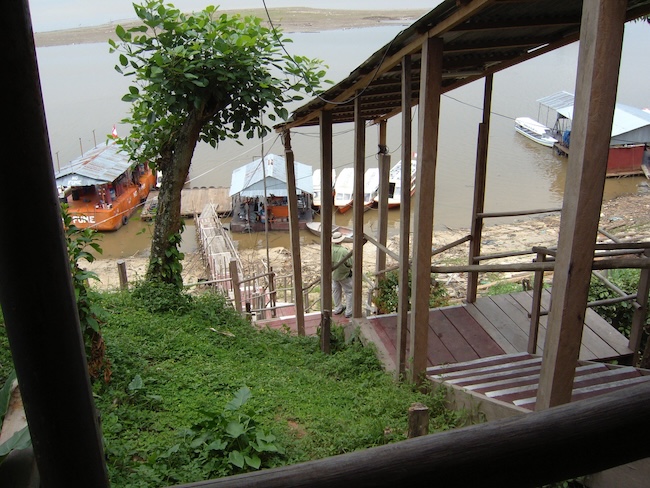
We boarded a boat at the Explorama Lodges pier and headed upriver, about 50 miles into the Amazon. Paul, our guide, started orienting us to jungle life immediately: the villages along the banks, the plants overhanging the water, what was edible and what very much was not. We got caught by a brief rainstorm and had to lower the canvas windows and put on life vests, which felt appropriately adventurous. Otherwise it was smooth going, and the river scenery was unlike anything any of us had seen before.
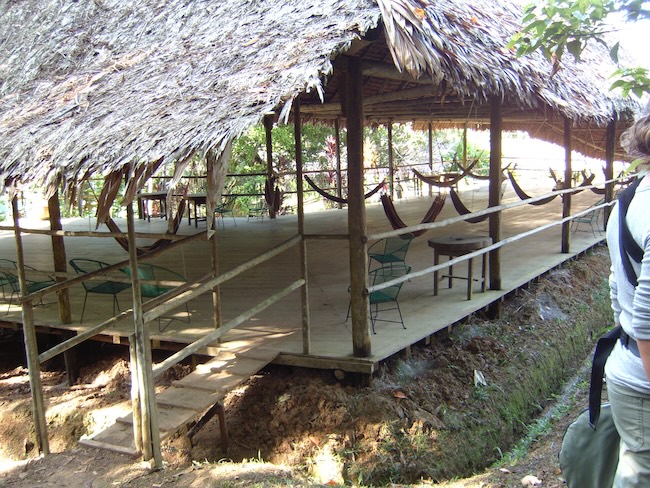
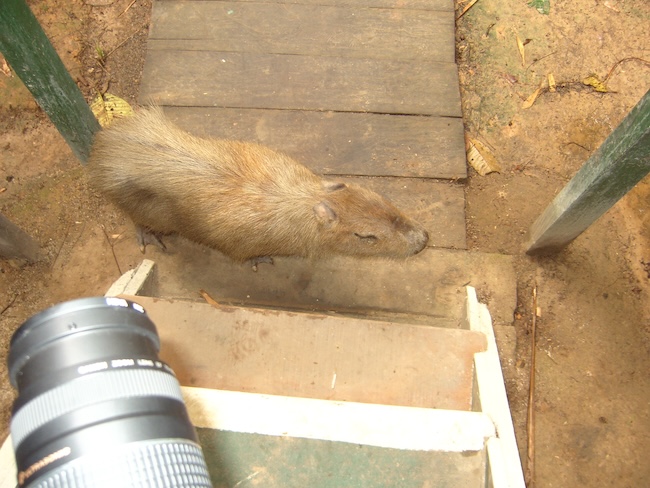
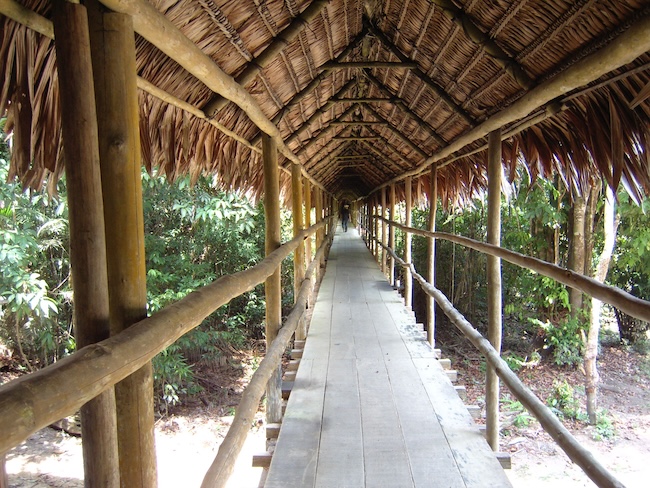
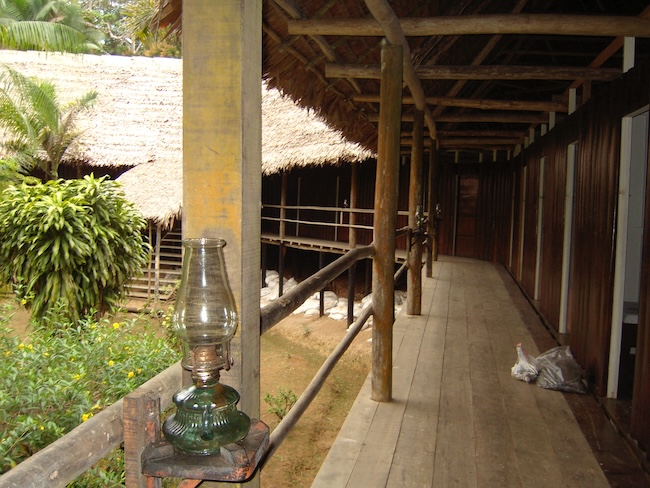
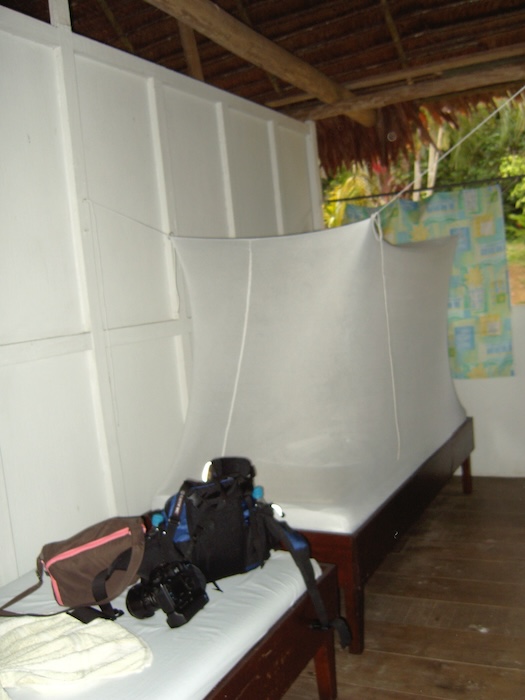
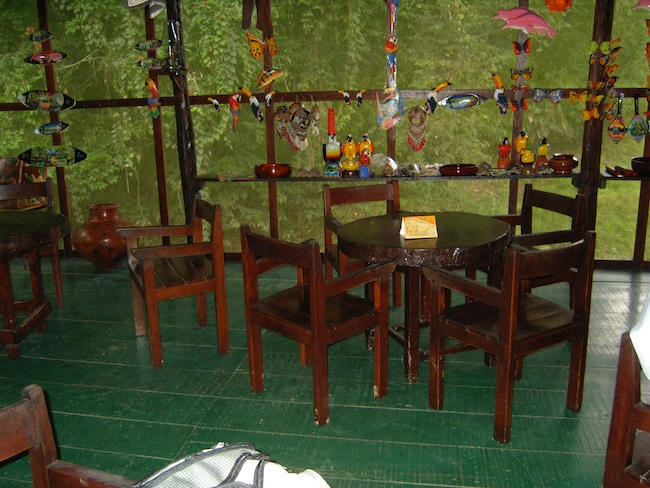
The lodge, when we arrived, required a moment of adjustment. There is no electricity except in the main building, where a generator runs. No running water in the usual sense: showers come from river water that has been filtered, and there are jugs of drinking water outside each room. The toilets are latrine style. The rooms have eight-foot walls open at the top, mosquito nets over the cots, and the jungle is audible from every direction at all hours. Insects, birds, and various unidentified things going about their business in the dark.
It took about ten minutes to find it completely wonderful.



Night Hikes and Things That Are Not Nice
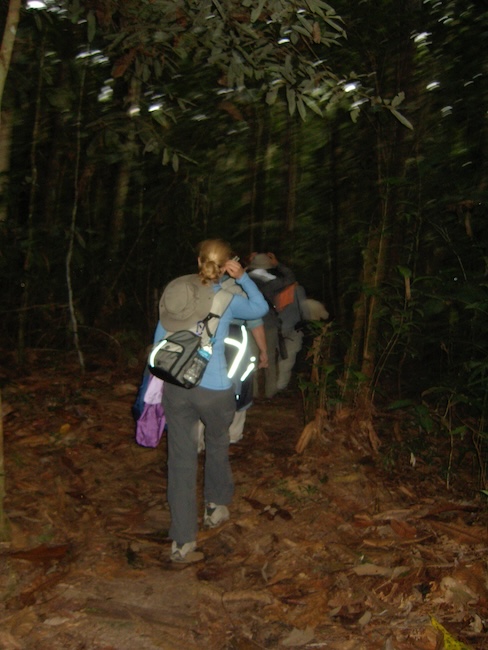
Our first evening, Paul led us on a hike around the lodge followed by a night hike through the jungle. We split into an informal buddy system: one person watching for spiders, the other watching for snakes. Paul had us turn off our flashlights at one point and stand in absolute darkness with the full sound of the jungle around us. He told us about a 14-year-old girl who survived a plane crash and then eleven days alone in the jungle. Paul had also spent the hike reminding us not to touch anything, not to reach into anything, not to put our hands anywhere we could not see. After the story about the girl, we all appreciated our flashlights considerably more.
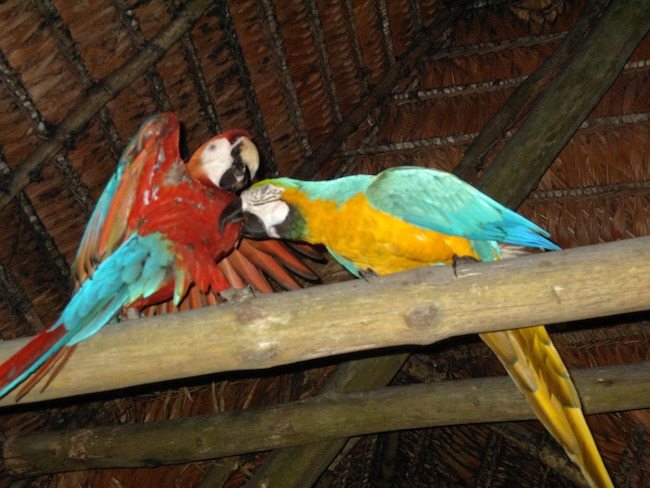
Macaws, it turns out, are an extremely effective alarm clock. I woke up early whether I wanted to or not, which I did not, and discovered one perched on the beam above my outdoor shower overseeing the whole operation. I chose to view this as a welcome rather than surveillance.
The Canopy Walk
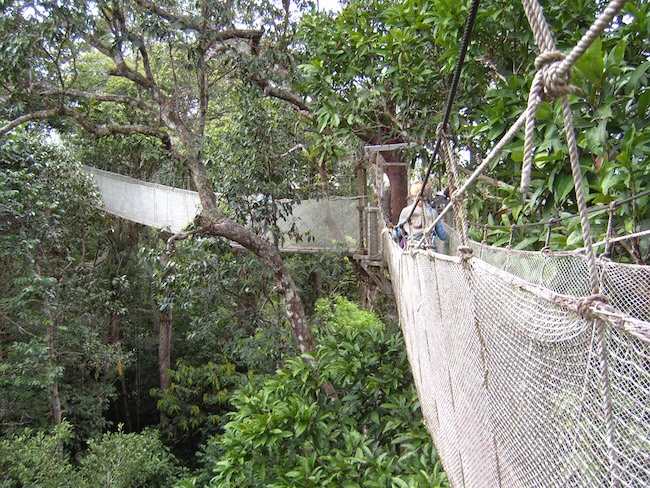
We moved deeper into the region the next day, boarding the boat again to reach the ExplorNapo Lodge on the Napo River, a tributary of the Amazon. The main event there was the canopy walk, which at the time was the longest in the world and peaks at around 112 feet above the ground. It was originally built for scientists and has since been opened to visitors, which I think counts as one of the better decisions anyone has made.
The walk is a series of 16 sections, narrow ladder-style bridges with board walkways, netting on the sides, and ropes to hold. Only three people are allowed on each section at a time. It sways. The swaying is part of it. At 112 feet up, you are at the top of the forest canopy looking out over an unbroken sea of green, and the scale of the Amazon basin becomes real to you in a way that no map or photograph quite captures. If you are comfortable with heights this is an experience that is very hard to top. If you are not comfortable with heights, this trip between the Inca ruins and the canopy walk would have been genuinely challenging.


The Shamans and The Cleansing
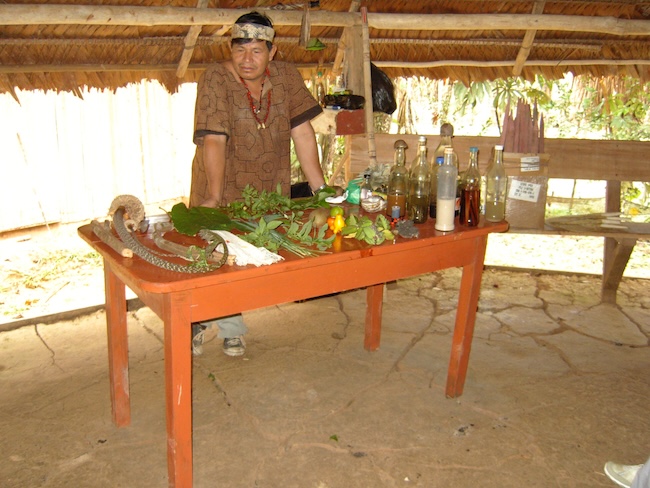
We visited the ethnobotanical gardens and met two local shamans who walked us through the medicinal plants the jungle communities have used for generations. The garden was extraordinary, and the shamans clearly knew it intimately. At the end, two of us were offered a traditional cleansing: smoke blown through our hair, chanting, and being tapped rhythmically with a bouquet of leaves. It was one of the stranger and more memorable things I have done in my life, and I mean that entirely as a compliment.
Piranha Fishing
Before heading back to Iquitos, Paul asked if we wanted to go piranha fishing. The answer was an immediate and unanimous yes.
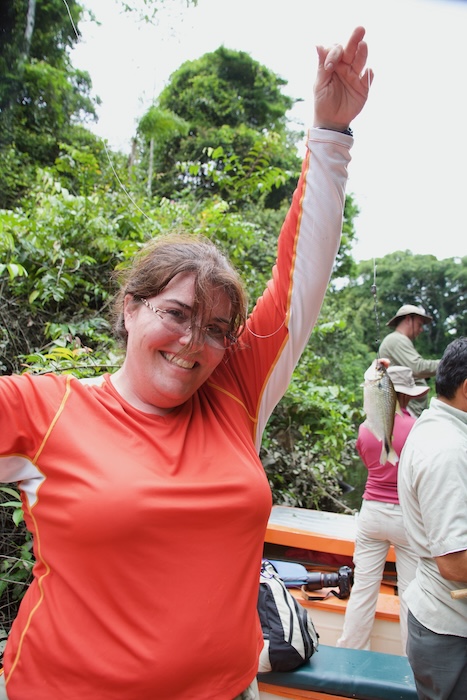
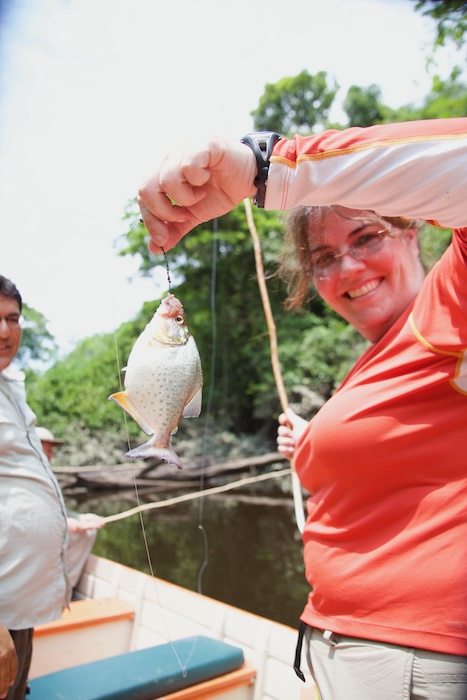
We set off in the boat with stick poles and bags of raw beef. Paul showed us the black water tributaries, which despite the name are actually full of nutrients and relatively low in bacteria, and make for a gorgeous dark reflective surface. He demonstrated the technique: bait the hook, drop it in, stir the water with the pole to create some movement, feel the bite, jerk up fast. We caught mostly small ones, but catching them at all felt like an achievement.
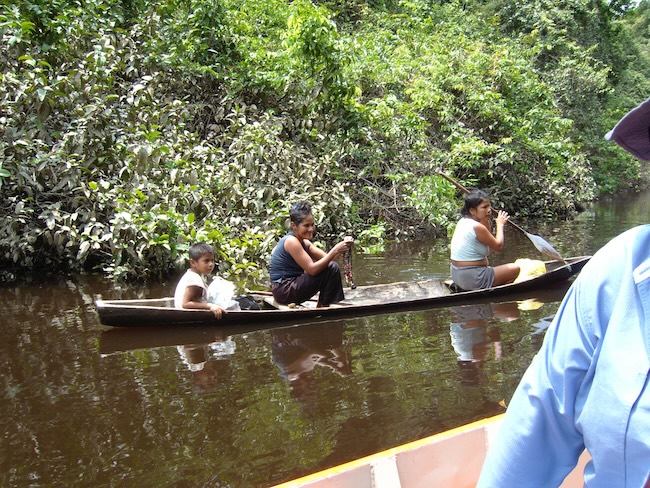
At one point a canoe paddled up alongside us carrying three people holding necklaces for sale. Somewhere in the middle of a tributary of the Amazon, nowhere near anything that could be called a town. None of us had brought money out on the boat, so we passed, but the sheer entrepreneurial determination of appearing at that particular location to sell jewelry to a group of tourists in a fishing boat was genuinely impressive.

The Belen Market
Our final day of proper sightseeing in Iquitos was the Belen Market, a large outdoor market in the heart of a working-class neighborhood near the river. Our guide made the sensible decision to arrange an escort: four armed police officers and two security guards, which did wonders for our ability to blend in with the locals. Five tourists, large cameras, equipment, armed guards. Very subtle.
The market is a genuine local market, not a tourist one, and it reflects that completely. There is produce, fish, and meat, along with live animals that are not part of a typical American grocery experience. Turtles, various birds, and other creatures. There are also larva, called suiri, which are sold fried, grilled, or live. We observed all of this with great interest and did not purchase any of it.
The lower levels of the market are not for the faint of heart, particularly after rain when the ground is a situation. The upper levels are considerably more navigable. It is worth seeing, but go in knowing what it is: a real, working, slightly chaotic market that happens to be fascinating precisely because it is not designed for visitors.
On the lodges: Explorama Lodges offers several options along the Amazon at different distances from Iquitos, ranging from more accessible to genuinely remote. The rustic conditions are part of the experience, not a flaw in the planning. Pack light, bring insect repellent that means business, and leave the things you cannot afford to get damp at home.
On the wildlife: What you see depends heavily on the season, your guide, and some luck. A knowledgeable local guide is not optional here; it is the difference between a nature walk and actually understanding what you are looking at. Verify current lodge options and availability before your trip, as operators and offerings in this region change over time.
On the Belen Market: Go with a guide who knows it. Going independently is not recommended, particularly for the lower market areas near the river.
We flew back to Lima, had one last excellent dinner, and boarded our flights home. Peru is one of those places that gets under your skin in a way that is hard to explain until you have been there. The mountains, the ruins, the jungle, the food, the history: it is a lot of country and definitely a place that I will never forget.
If you are thinking about going, stop thinking and start planning. I am happy to help with that part.