Cusco and Pisac: Altitude, Alpaca, and the Incas (2/6)
Where ancient stone streets, a bustling market, and some genuinely excellent vinegar conspire to make you fall in love with Peru.
Part 2 of the Peru series · Updated for Travel with Sheridan
The flight from Lima to Cusco is short. Suspiciously short, actually, because the whole time you are climbing. Cusco sits at 10,859 feet above sea level, and your body will have opinions about that. Ours did. We stepped off the plane into crisp, thin air and immediately understood why every guidebook tells you to take it easy the first day.
Our tour operator met us at the airport, and she was exactly the kind of guide you hope for: deeply proud of her country, full of stories, and genuinely excited to share all of it. She pointed out buildings along the way to the hotel, narrated the history of what we were passing, and made the whole arrival feel less like a transfer and more like the trip was already underway.
Straight to Pisac
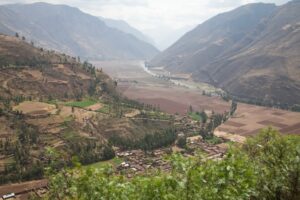
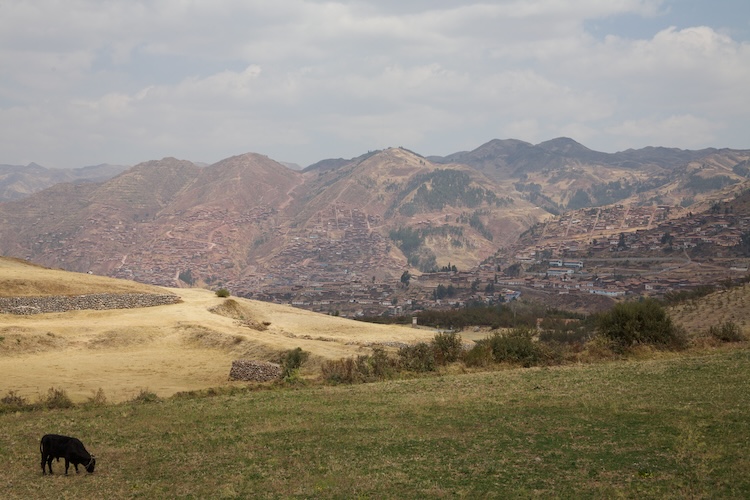
Rather than rest (sensible) or wander (also sensible), we dropped the bags and headed straight out to the Pisac Market, about 45 minutes from Cusco at the end of the Sacred Valley. Our guide for the day proved to be a wealth of information, and the drive out gave us our first real look at the Andean landscape.
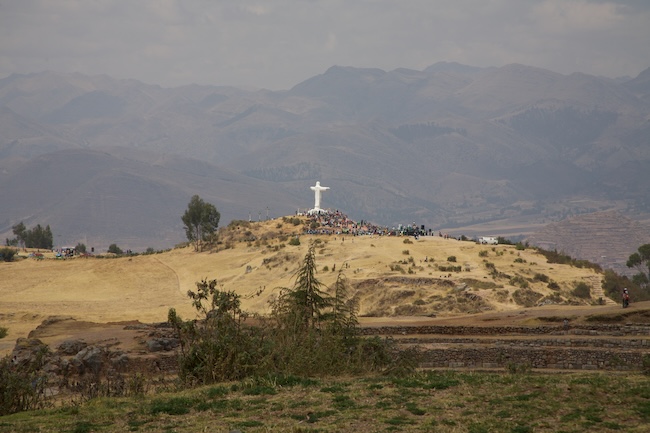
On the way, we passed the ruins at Sacsayhuaman, where the Inti Raymi festival is held every year on June 24th to mark the winter solstice. It is an enormous field of terraces with a wide open area used in the festival's ceremonies. On a nearby hill sits a large statue of Jesus, which given the context felt both incongruous and completely Peruvian. We stopped for some photos and moved on.
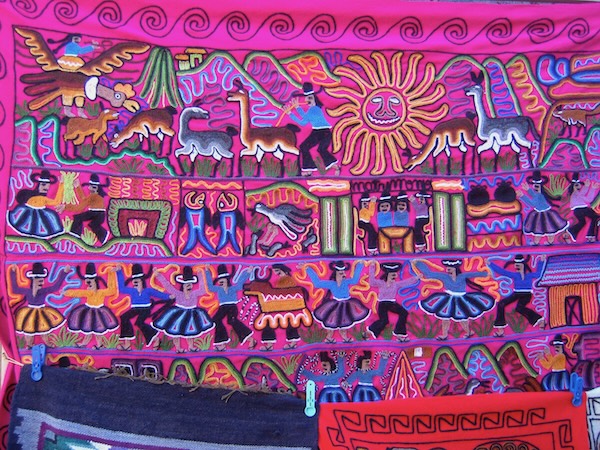
Pisac itself is a small town that explodes with tourists on market days, which fall on Sundays, Tuesdays, and Thursdays when the buses roll through. The market is a mix of textiles, ceramics, and crafts, with vendors ranging from established stalls to kids in traditional dress stationed with baby goats and very practiced pitiful expressions. They can turn the charm on the moment a camera appears, then stick out a hand for payment just as fast. It is both completely transparent and completely effective.
Alpaca, chicha, and the best french fries of the trip
Our guide steered us to a charming spot upstairs in the market with a balcony overlooking the bustle below, and we made the brave decision to order weird things. First up: alpaca. It arrived seasoned and grilled and tasted somewhere in the neighborhood of veal, which was a relief since we had been prepared for something more challenging. The quinoa soup that preceded it was hearty and warming, exactly right for the altitude and the chill.
Then the french fries arrived. Many restaurants in the region make their own vinegars, and this one was extraordinary. I may have applied more than a reasonable amount. No regrets whatsoever.
We also tried chicha, a non-alcoholic drink made from blue corn. It was pleasantly mild and a little earthy. The one caveat worth passing along: only try chicha in places that use filtered water. Our guide was clear on that point.
Chicha: there is chicha morada which is a non-fermented drink made from purple corn. There is also chicha de jora. This is a spit fermented corn beer that is traditionally made by the chicha maker using their saliva to break down enzymes and instigate the fermenting process. This is not really recommended for consumption by tourists.
The Awanakancha Project
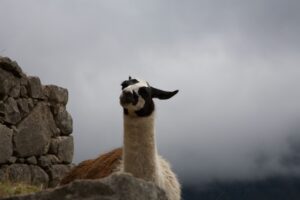
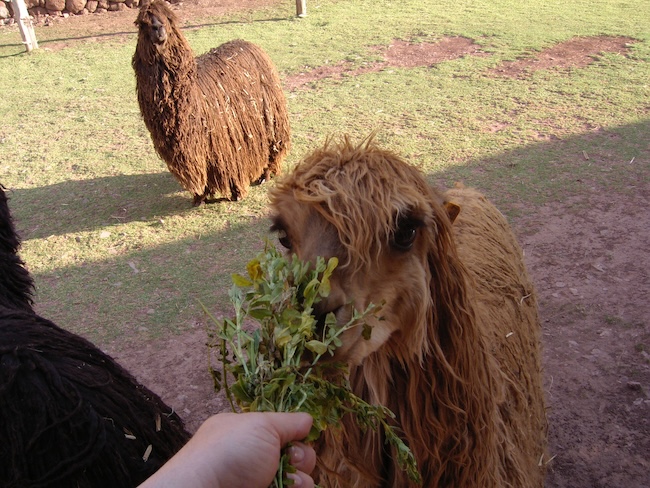
On the way back to Cusco, our guide stopped at the Awanakancha Project just off the road. This is a gathering of 14 communities dedicated to preserving Peruvian weaving traditions, and it is worth every minute. There are alpacas and llamas to wander among, and also the incredibly rare animal known locally as "Inca Gold," whose fiber is so fine that it takes seven of them to match the diameter of a single human hair. It was hunted nearly to extinction and the project is working slowly to bring numbers back up.
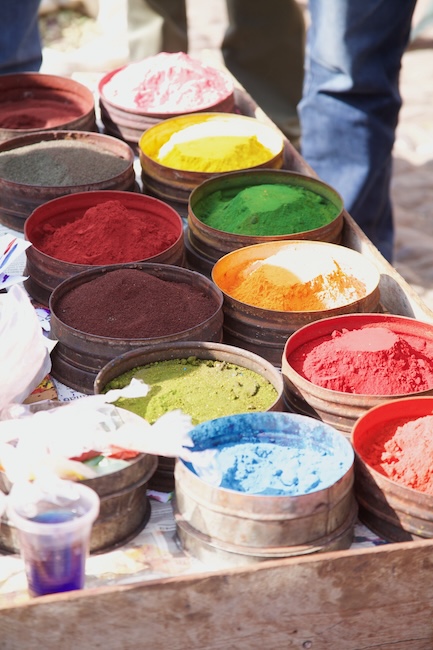
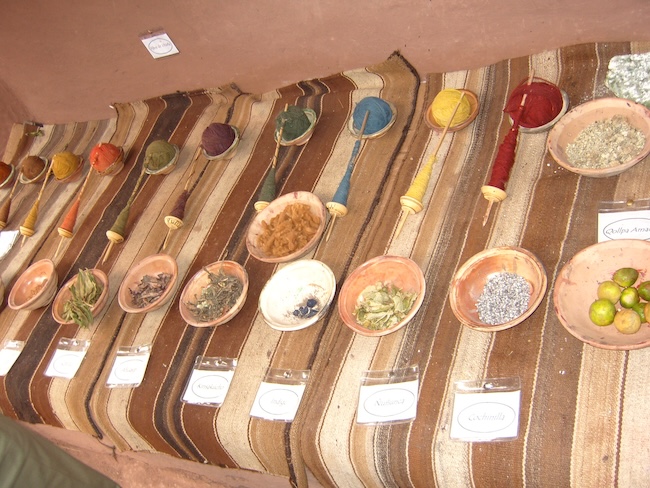
There are demonstrations of traditional weaving and natural dyeing, and the shop sells some of the most beautiful textiles I have ever seen anywhere. Budget time here. And probably some money.
Cusco Itself
Cusco deserves its own unhurried afternoon. The city is built largely on Inca foundations, and you see it everywhere: perfectly fitted stone walls at the base of Spanish colonial buildings, the original infrastructure of an extraordinary civilization quietly holding everything up above it.
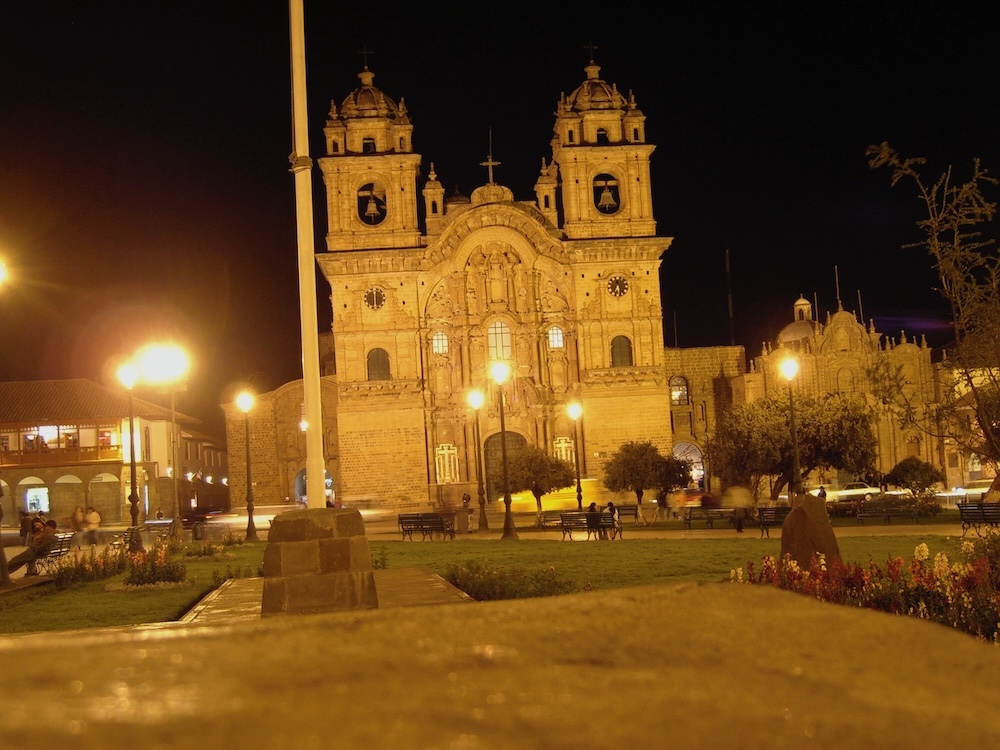 We toured the Cathedral of Cusco, also known as the Capilla del Triunfo, which is the first Christian church built in the city. It was constructed by the Spanish on top of an Inca temple, which tells you a lot about the colonial approach to architecture and cultural erasure. Inside, one of the chapels contains a version of the Last Supper painted by a local artist, and it is not quite what Leonardo had in mind. Jesus and the apostles are gathered around a table that includes guinea pig and chicha. It is wonderful.
In 1650, a major earthquake leveled Cusco. The Spanish colonial buildings, including the original cathedral, collapsed. The Inca constructions remained standing. The Incas built in trapezoidal shapes, and all their walls lean slightly inward, which turns out to be considerably more earthquake-resistant than building straight up. The Incas figured this out without modern engineering. Make of that what you will.
After the cathedral, we wandered, found a gelato shop with highly creative flavors, and ate dinner at a small restaurant near the hotel where there was live music and traditional dancers in skirts that twirled so fast they were almost hypnotic. We dined on ceviche, potatoes, and corn pudding. I discovered that Peruvian wine is underrated and enjoyed several glasses of it.
On altitude sickness: Take it seriously. Cusco is nearly 11,000 feet and some people feel it more than others. Common advice includes arriving a day early to acclimatize, staying hydrated, avoiding alcohol the first night (yes, I know), and considering coca tea, which is widely available and genuinely helps. Check with your doctor before travel if you have any concerns.
On the market: Pisac market days are Sunday, Tuesday, and Thursday. Sunday is the largest and most crowded. If you prefer a quieter browse, Tuesday or Thursday will serve you better.
On the textiles: If you are going to buy alpaca, buy it in Peru and buy the real thing. Ask vendors whether it is baby alpaca or standard alpaca, and be appropriately skeptical of anything priced too low to be genuine. The Awanakancha shop is a reliable source.
Up next: we board a bus for the Sacred Valley proper, attempt to correctly pronounce Ollantaytambo (spoiler: we could not, but eventually learned), and climb 200 steps to a view that makes every one of them worth it.